
Benefits of nature for children: calm , quiet and emotional well-being
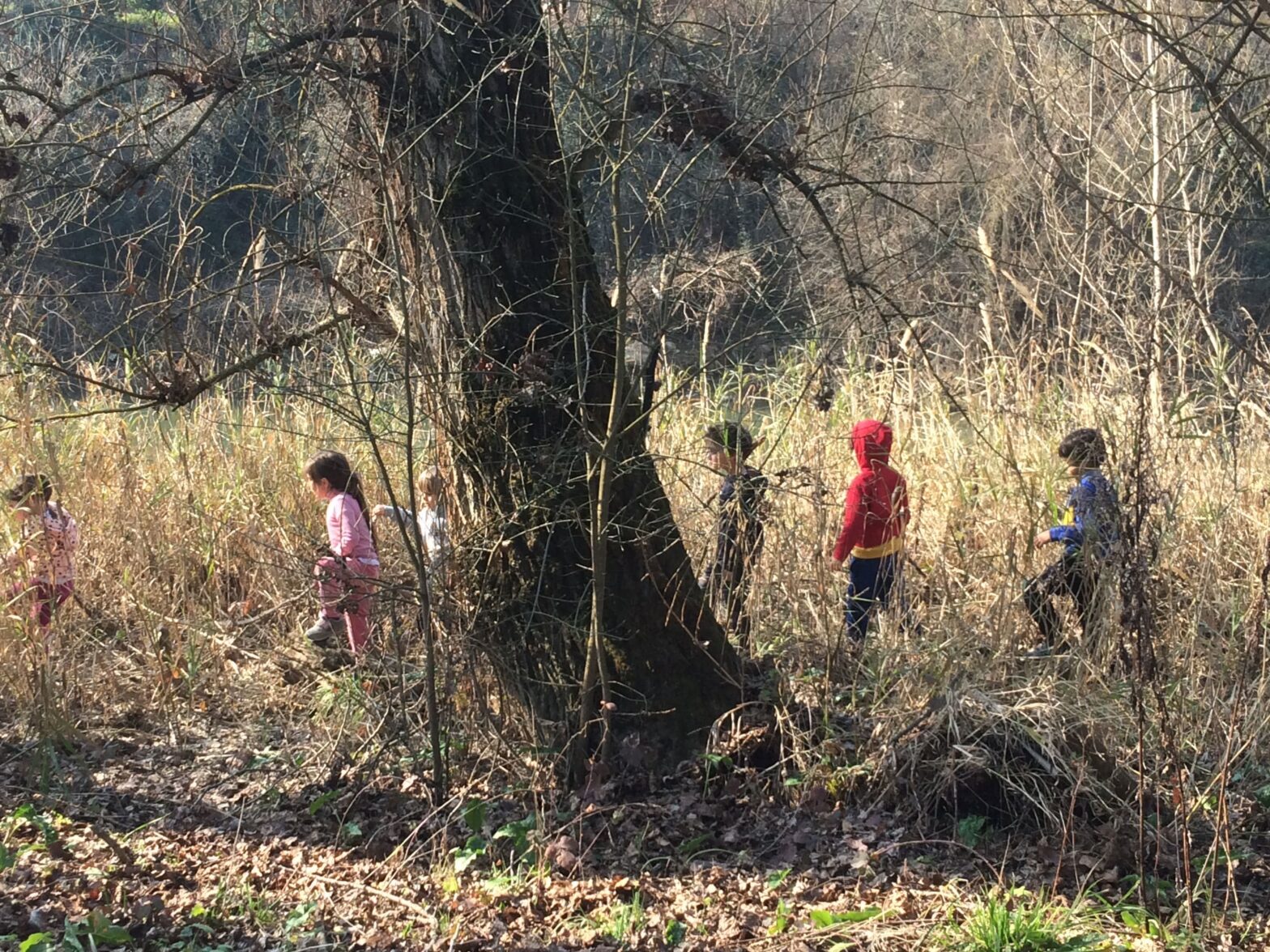
I once had a very small fourth-grade class that loved being outdoors, but two or three pupils did not get much benefit from it on a deep level because they were very busy running, screaming and clubbing plants.
So I decided to read to the class a book entitled “The Tracker. The Footprint Hunter” by Tom Brown, an expert on wilderness survival and tracking.
The story is about his training together with his best friend and the latter’s grandfather, an Apache.
The book is “macho” enough to interest the “tough guys” in the class, but it also communicates an immense respect for nature and the importance of taking time to observe in silence.
After reading the book, my students began to imitate its protagonists during outdoor activities. I remember the time when the entire class spontaneously lay down on the ground in the parking lot during recess to observe cloud formations, insisting that I do the same.
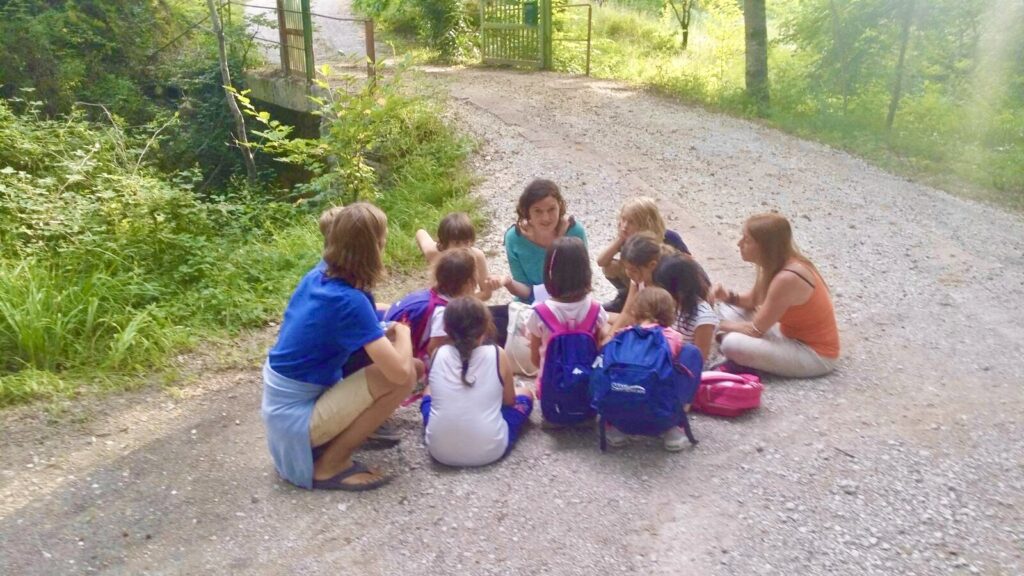
Another time we went to a nearby stream with the intention of having a picnic, but then it started to rain. I wanted to go back to class, but the children reminded me that the characters in the book would not be intimidated by a little rain or snow.
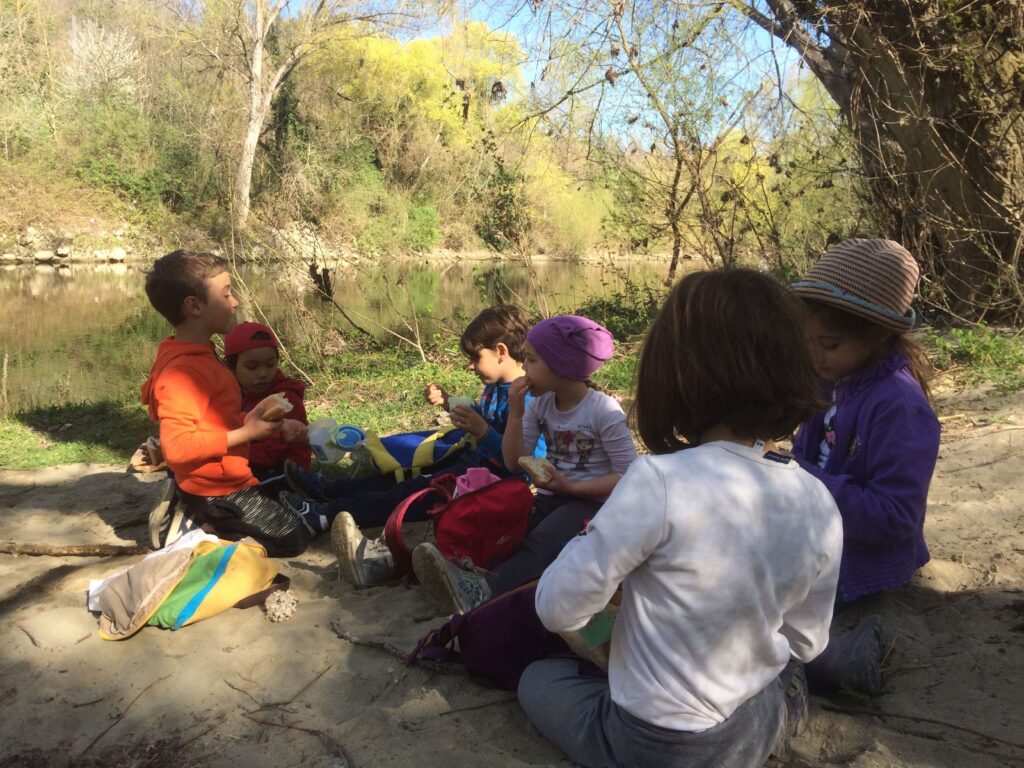
So we approached the small stream and squatted along its banks. We spread out in search of dry spots and ate in silence, watching the birds, insects and rain falling on the water. We were all overjoyed to be there: it was a truly unforgettable moment.
The only word I can think of to describe what we felt is a sense of sacredness.”

The Classroom Experience: How a Book on Nature Transformed Children's Approach.
Guidance: Preparing Children for Listening and Silent Observation of Nature.
How can you help a child experience peace and union with nature?
Creating Mental Space: From Restlessness to Receptivity
Create an atmosphere of calm and receptivity. If children are restless give them an opportunity to let off steam first, with a bike ride, a run, or a brisk walk. Listen to what they wish to tell you.
Make them feel comfortable before leading them in a silent observation or inner listening activity.
Choosing the Place: From the Uncontaminated Area to the Hidden Garden
Let’s find a quiet, little-visited place to help us commune with nature and not with other people.
Although the ideal is to go to an area of unspoiled nature, a hidden corner of a city park or home garden is also perfectly fine as an alternative.
Almost all children are able to open their hearts to the different forms of life in the natural world. In nature, this expansion of consciousness happens “naturally”!
The Rhythm of Nature: Slowing Down for the Expansion of Awareness
Time is a very important ingredient: running fast, watching in a hurry, will not help us expand our awareness. We need to be able to tune our movements and breath to the rhythm of nature.
To those who look only with fleeting and impatient eyes, the treasure of nature remains hidden.
Only when we become a part of nature, and not a disturbing element, does a sense of communion with everything around us awaken.
And this sense of communion awakens love, joy and peace within us.
Sensory Activities in Nature: The "Meet a Tree" Game
This activity is taken from the book Living Nature, by naturalist Joseph Cornell.
The book contains many suggestions for guiding children and adults to develop sensitivity through nature.
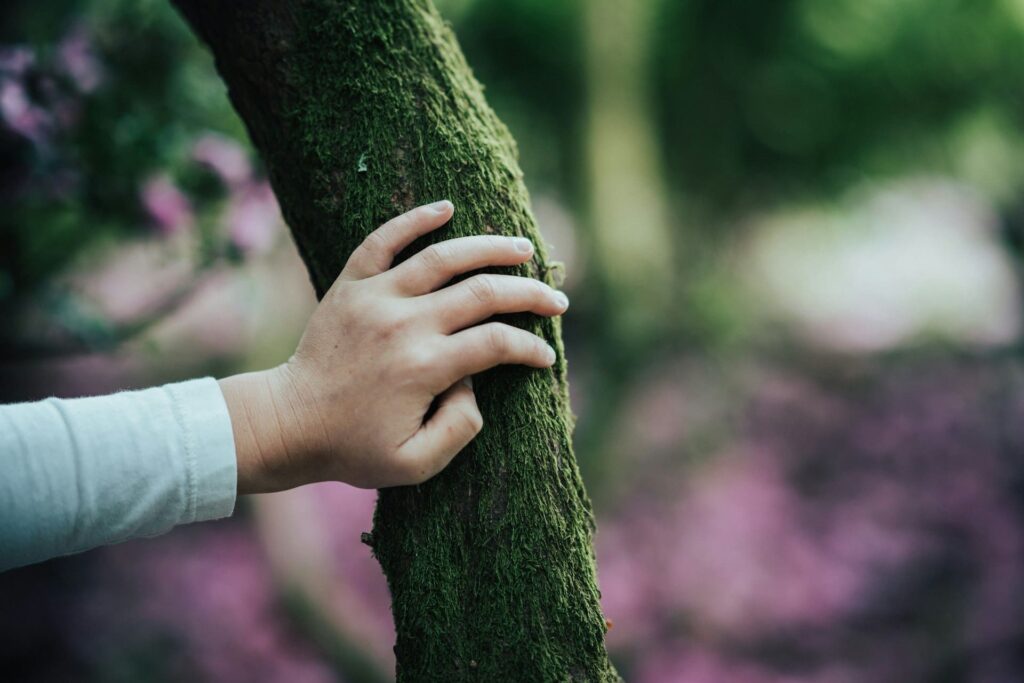
Step-by-Step Instructions: How to Conduct Sensory Activity
Blindfold the child’s eyes and walk him slowly to a tree you have chosen beforehand. Ask him to touch the trunk, feel the presence of moss, smell the bark, hug the tree if he wants to, and mentally talk to it and try to listen.
Allow him as much time as he needs to perceive every detail of his tree, downward, to the roots, and upward, as high as he can with his hands.
After that, you accompany him back to the starting point and remove his blindfold.
At that point, you ask him to find his tree!
It is a beautiful activity-some children develop such a relationship with their tree that they want to come back to see it very often.